I still remember the first time an American friend said the phrase “When life gives you lemons” to me, and then had to explain what it means. We don’t use that expression in England, and in Sicily, well! Let me just tell you there is absolutely NOTHING bad about Sicilian lemons.
They’re the only fruit that grows every month of the year, glowing in the depth of winter and even giving us something lovely and juicy in parched August when all the other plants just shrivel up and turn brown. (Often deciding to make the extra effort and catching fire, actually.)
In Sicily, you see lemons at every turn. We’re never without a bowl of lemons in the kitchen, and we even have pictures of them on our table clothes and aprons and kitchen tiles. We can’t really prepare a meal without squeezing lemon juice on something. Mothers rub them on clothes to get stains out, girls rub them on their faces to avoid sunburn without the devilish pimples that come from official sunscreen, and grandmothers brew them into wickedly strong hooch that makes shop-bought limoncello seem like juice for the kiddies.
The two famous Sicilian lemon breeds
I had a friend in Arizona who became obsessed with obtaining a Sicilian lemon tree. I was most insistent that Sicilian lemons taste fabulous because we have splendid weather and this volcano that blasts pure fertiliser all over the place. She was insistent that they’re special breeds of lemon, and they can taste marvellous anywhere.
So I decided to ask the owner of the lemon orchard behind my previous villa in Sicily. He said we were both right. So I learned that Sicily is known for its unique varieties of lemons, particularly the “Limone di Siracusa” (Syracuse lemon) and the “Femminello” (which means Little lady).
Limone di Siracusa
These are the thick-skinned lemons that even manage to be juicy in August, when the water table descends halfway to Australia. Sometimes you have to get a bit violent to juice them at this time of year because the pith goes extra thick, but honestly they’re heroic to even try and make fruit in that heat. They’re also brilliant for grating the zest as it has a particularly larve amount of oil in it.

Lemons started out in Burma, where they frow wild, but they soon spread throughout the Middle East. They were introduced to Sicily by the Arabs, whom invaded and controlled Sicily for a couple of hundred years around the 9th century. The blazing hot summers, mild winters and fertile volcanic soil were exactly what citrus trees love. This is why you can lob a lemon out of the car window anywhere in Sicily and be pretty sure to see a tree full of fruit next time you go past. I like the fact that they found a home-from-home in Sicily and also grow wild here.
The Syracuse area, with its optimal growing conditions, became renowned for producing lemons that are larger and juicier than many other varieties. The Arabs were very keen on cross-breeding citrus species and started creating hybrids with high acidity, aromatic zest, and thin skin. The cultivation methods have been passed down through generations, ensuring that the characteristics of the Limone di Siracusa remain consistent.
Femminello
These are extra tasty and the tree makes so much fruit, you usually see the trees with blossom, green baby lemons and yellow ones that are ready to pick, all at the same time.
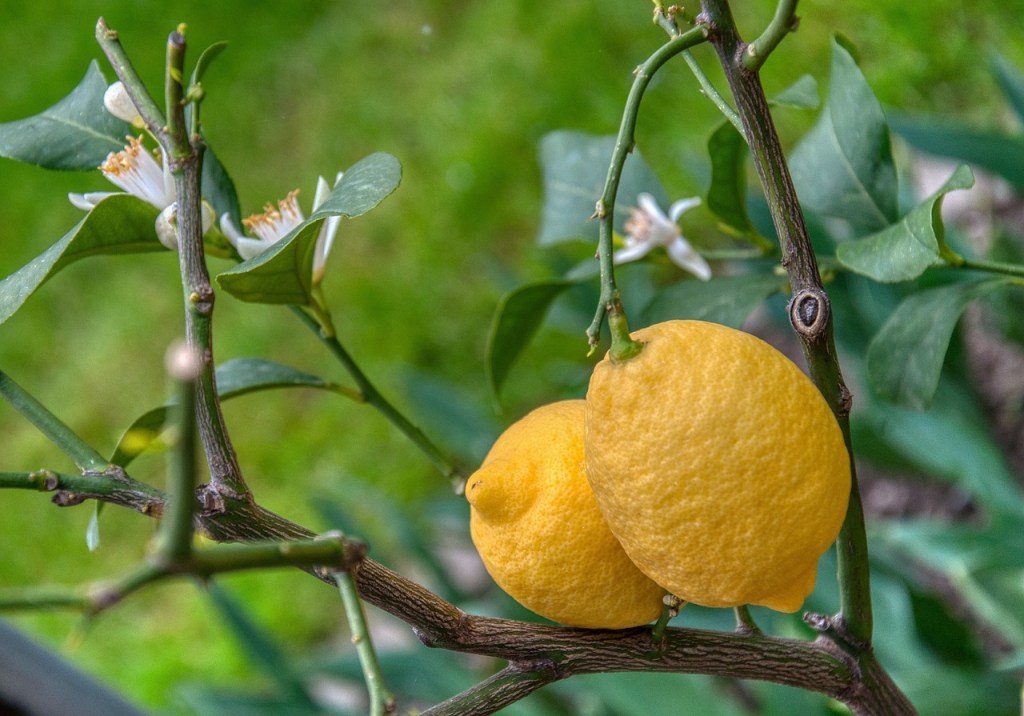
The “Femminello” lemon was also created as a hybrid in Sicily from other varieties brought over by the Arabs. This variety is particularly valued for its ability to produce fruit throughout the year, allowing for multiple harvests. Sicilian farmers have historically cultivated Femminello lemons by focusing on techniques that encourage higher yields and improved fruit quality.
Giant Eating Lemons or Limoni di Massa
The lemons that everyone in Sicily calls “eating lemons” are really called Limoni di Massa, which you could translate that as “Massive lemons”. In reality, though, the name comes from the fact they originated in the Massa Lubrense area, near Naples. They grow very well in Sicily (of course!) but they also flourish in the Mediterranean, California and parts of Australia.
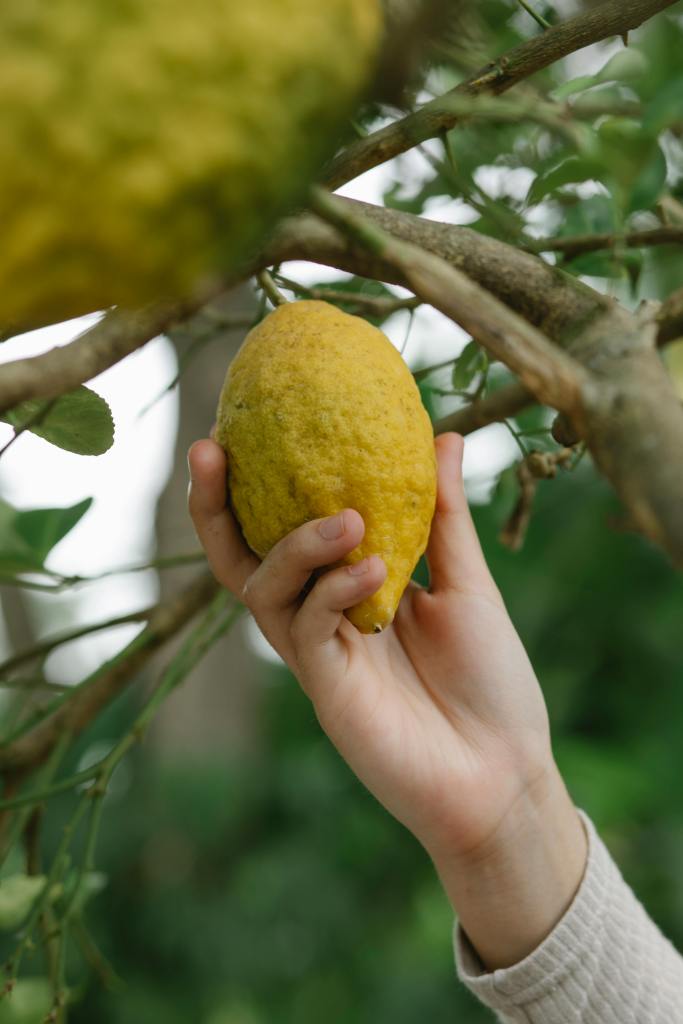
They’re absolutely huge, the size of a grapefruit. The pith is nearly an inch thick and the fruit inside is sweet enough to eat as a snack. Don’t go thinking it’s going to be sweet like an orange! It’s still pretty lemony, but you can scoff one down if your tastebuds are thrill-seekers. My son likes doing this, but I prefer to chop them into salads.
When life gives you lemons…
Just say, thank goodness I’m a Sicilian!
Discover more from The Dangerously Truthful Diary of a Sicilian Housewife
Subscribe to get the latest posts sent to your email.
 The Dangerously Truthful Diary of a Sicilian Housewife
Hi there!
So happy to read you again. How are things? Everyone is well?
I just returned from leading two tours. Our Sicily is certainly different than 10 years ago – so many people! This time I did a new tour – we went from Catania to Etna, into the Nebrodi, Castelbuono and then Palermo. We didn’t see many tourists at all – – except for Palermo. It was great. I posted a lot on Instagram, if you do that.
I think of you often. Abbracci da me. Ciao, ciao, Karen
>
LikeLiked by 1 person
It’s so nice to hear from you!
Yes we’re all well thank you.
It’s interesting that find Sicily changed. I’ve been surprised to see some areas of Palermo really improved, and a lot fewer holes in the roads!
Your new trip sounds great. We had a lovely holiday in the Nebrodi some years ago – an often overlooked area that we really loved.
We need a catch up by email. I’ll write soon. Xxx
LikeLike
So great to read you again! Like an old friend reappearing in my inbox. Hope to see you there again soon! Ciao, Karen
LikeLiked by 1 person
So interesting! I wonder if the Limone di Massa is the same thing as a Cedro. I bought lemons just like these in Milan and that’s what they called them.
They also slice them thinly and dress them with salt and olive oil for a salad which is delicious.
LikeLiked by 1 person
How lovely to read your blog after all these years Thank you
On Sun, Oct 20, 2024 at 6:58 AM The Dangerously Truthful Diary of a
LikeLiked by 1 person
🍋🍋🍋love this thank you!As well for returning me to this amazing woman! 💚🍋🪄🇮🇹Sent from my iPhone
LikeLiked by 1 person
i
Interesting article. Thanks for sending.
LikeLiked by 1 person
Thank You for the history lesson in Sicilian lemons. I’ve had the pleasure of tasting all the different types, on numerous occasions. I agree with your article, the best lemons are Sicilian lemons!
LikeLike
So good to hear from you again!! Great article a always
LikeLike
She’s back! And like a parched Sicilian waiting for the tangy spritz of lemon in the August heat, I’ve been waiting for more of Veronica’s amazing blogs! This one, as usual, delivers with a tangy punch. Please, please, please do not let us wait too long for your next installment. XO
LikeLike